
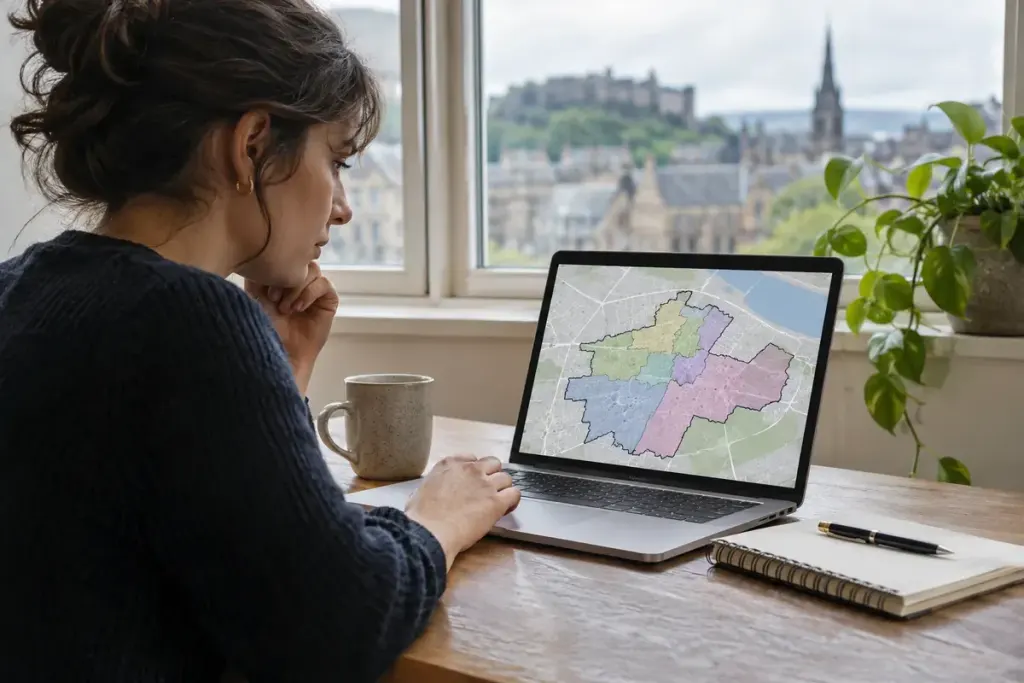
A familiar neighbourhood name does not always identify the ward used by the local council. Before sending a case enquiry to a councillor, check the exact address through the current official directory.
For example, Liverpool City Council’s councillor finder supports searches using details including ward and postcode. Other councils organise their directories differently, so start from the authority’s own website rather than an old screenshot or a third-party list.
Use the address, then confirm the result
Enter the relevant location carefully and check that the returned area matches it. If the search produces several possible addresses or representatives, read the accompanying explanation. Do not choose a name simply because it is the first result.
Follow through to the councillor’s current contact page. Check any published arrangements for appointments or surgeries and use the contact route provided for that purpose. A campaign address found in an old election leaflet may no longer be the right route for casework.
Give the enquiry a clear subject
Prepare a short description of the issue, its location and any existing council reference. Include the outcome you are seeking, such as help understanding a delayed response. Share personal documents only through an appropriate channel and only when needed.
A councillor enquiry does not automatically replace the council’s ordinary service request or complaints process. If the issue is already logged, keep that reference so the two conversations can be connected rather than creating competing descriptions of the same case.
Save the official page link and the date you checked it. If you return to the matter after an election or a long gap, verify the details again. The practical habit is simple: use a current address-based lookup, then contact the person through the route the council itself publishes.