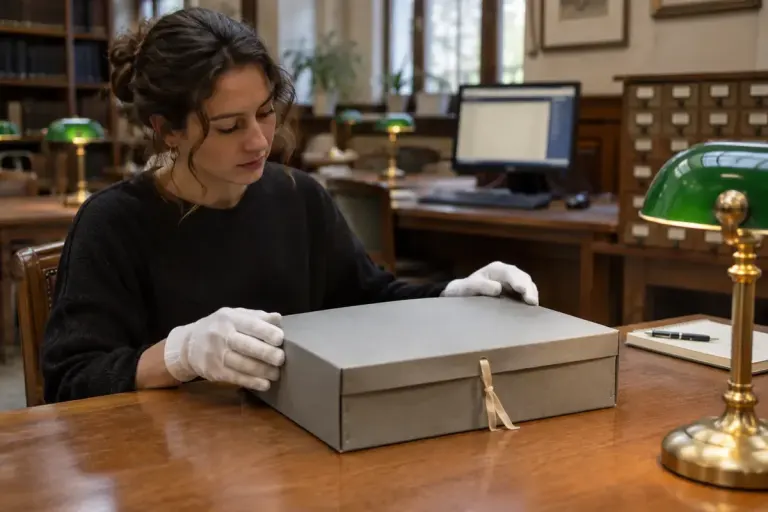
Researching a closed archive file through its catalogue entry
A closed archival file may still have a catalogue description. Use its reference and context carefully without treating an unseen document as evidence you have read.
A closed archival file may still have a catalogue description. Use its reference and context carefully without treating an unseen document as evidence you have read.
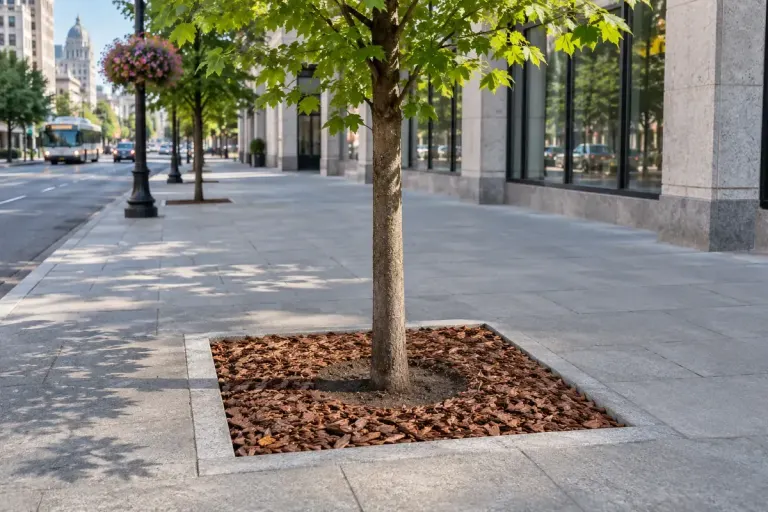
Caring for a street tree begins with local permission and simple maintenance. Separate litter removal and watering from changes to roots, soil levels and paving.

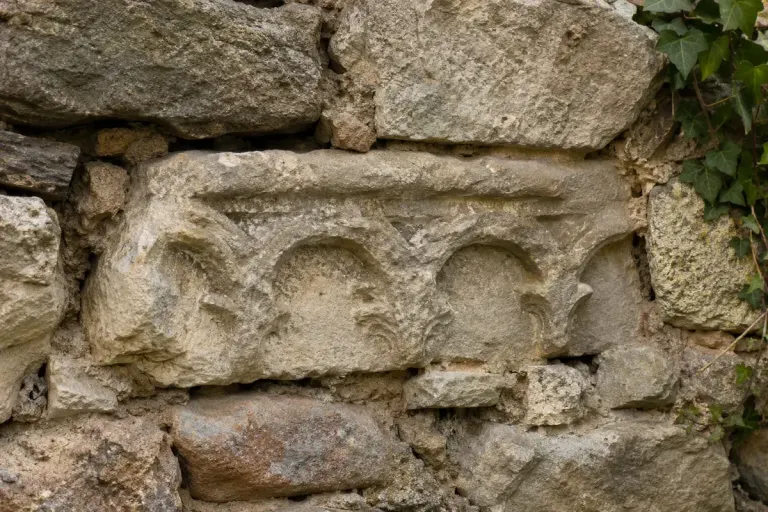
A carved stone in an unexpected place may be reused material. Learn what to observe before turning an architectural detail into a historical claim.

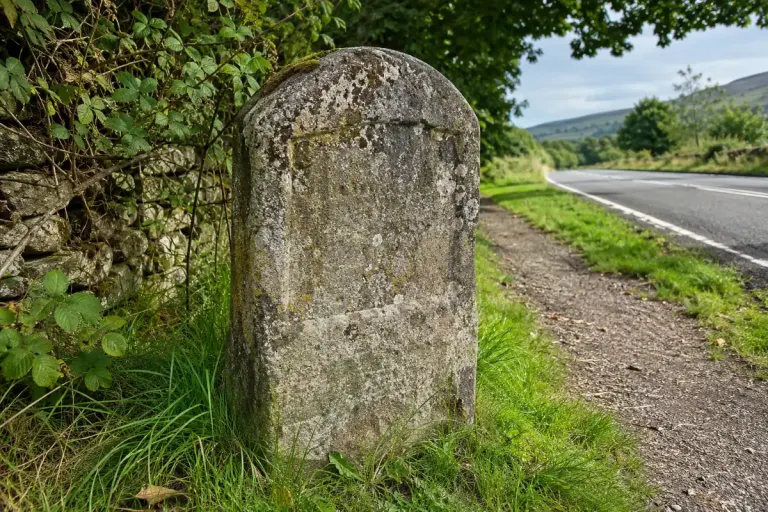
Read a historic milestone as a distance from a named destination, then check its location and history before using it as evidence.

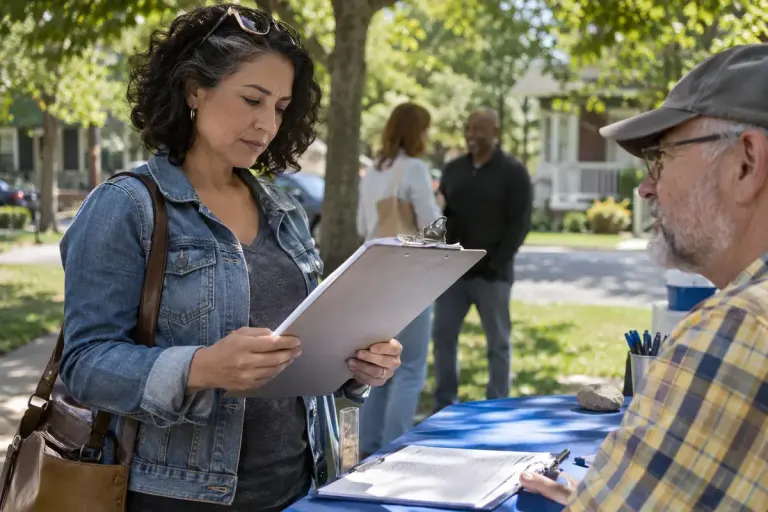
Read a local petition’s requested action, recipient, eligibility rules and privacy information before signing, and distinguish support from a guaranteed decision.

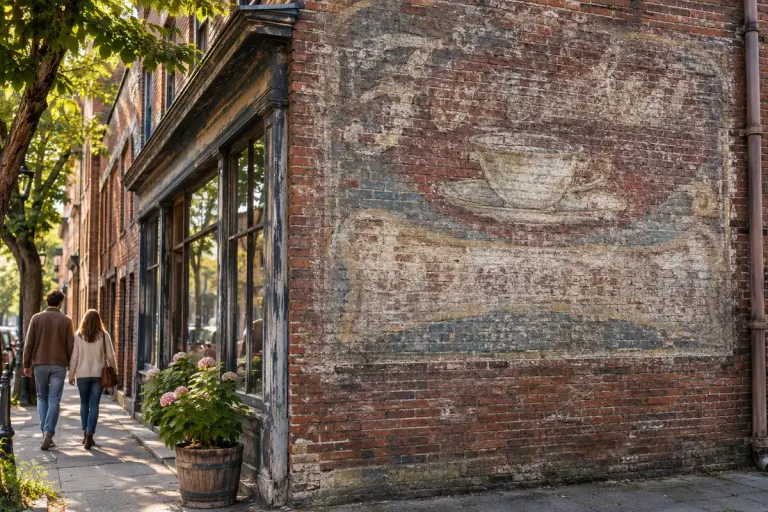
Faded painted advertisements can reveal earlier uses of a street. Record what you can actually read before guessing a building’s past.

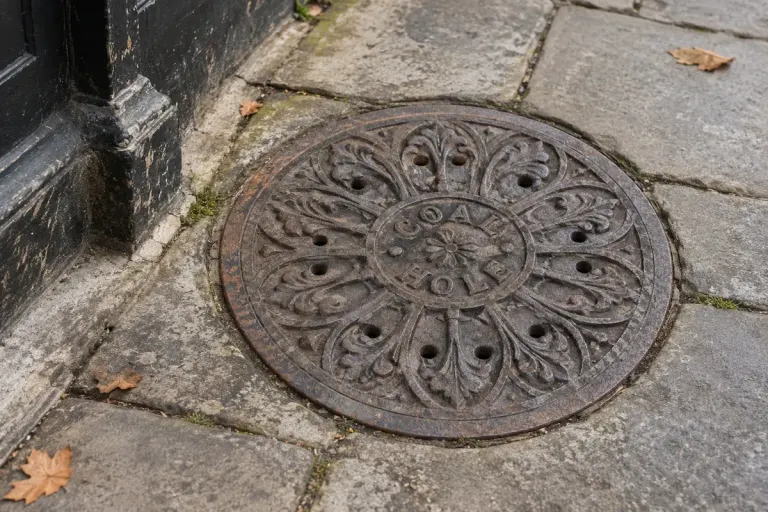
Coal-hole covers record an older delivery route beneath the pavement. Learn what their patterns and inscriptions can reveal without disturbing them.

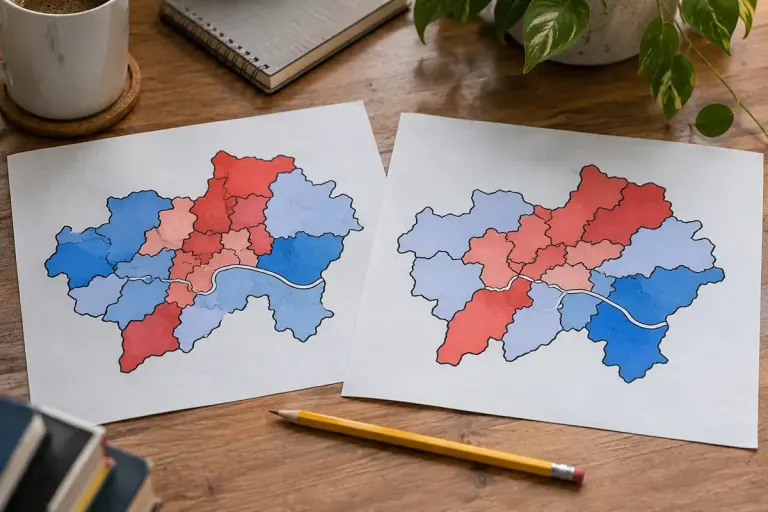
A familiar ward name can hide a changed boundary. Check the map date and area definition before comparing local election results or neighbourhood statistics.

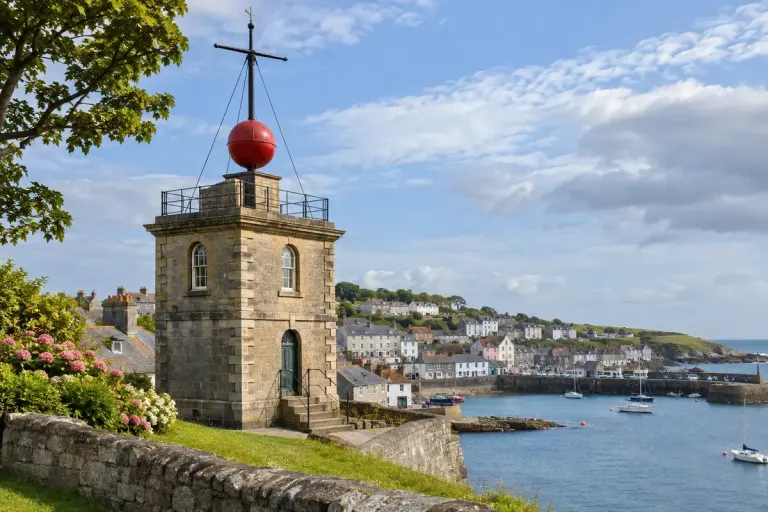
A time ball turned a distant observatory clock into a visible public signal. Learn what its movement meant and how to investigate a local example.