
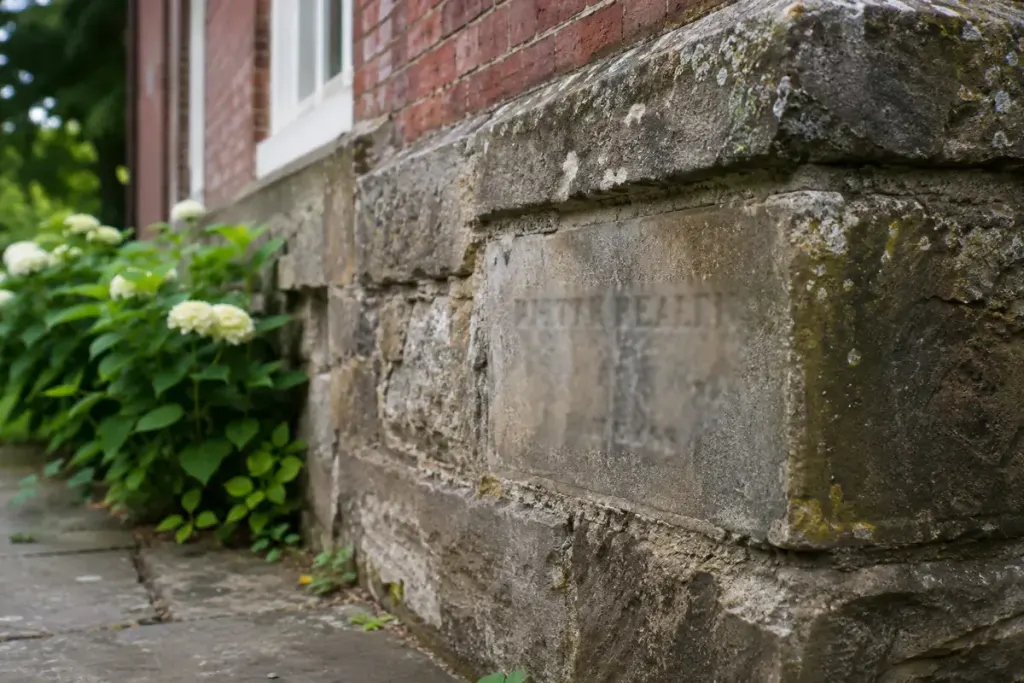
A date on a building seems like a ready-made answer to “When was this built?” Sometimes it is. Sometimes it marks a foundation ceremony, an extension, a rebuilding project or a later commemoration. The stone is evidence, but the event it records still needs identifying.
The Architect of the Capitol’s historical timeline, for example, labels 1793 as the laying of the US Capitol cornerstone. That precise event name is more informative than using the date as a shorthand for the completion of the entire building.
Make a careful first record
- Photograph the whole facade so the stone’s location is clear.
- Take a closer image without touching or cleaning the surface.
- Transcribe the wording, preserving uncertain letters as uncertain.
- Note the address, observation date and whether the stone appears in an older or newer part of the structure.
Words such as “founded”, “opened”, “rebuilt” and “dedicated” are not interchangeable. A named person may have performed a ceremony rather than designed, funded or constructed the building.
Consider an invented example: a hall carries a 1912 foundation stone, while a local newspaper advertises its opening in 1914. The dates need not conflict. They may describe two stages in the same project. A later extension could introduce a third date without changing either earlier event.
Build a timeline with separate events
Look for planning records, contemporary newspapers, council minutes, photographs and the institution’s own archive. Record what each source actually supports. A newspaper announcement of a planned opening is different from a report that the opening took place.
When writing a caption, retain that distinction: “Foundation stone dated 1912; opening reported in 1914” is stronger than a confident but unsupported single construction date. If the evidence remains incomplete, say so. A small uncertainty honestly recorded gives the next researcher something useful to investigate rather than another attractive claim to repeat.