Civic Heritage
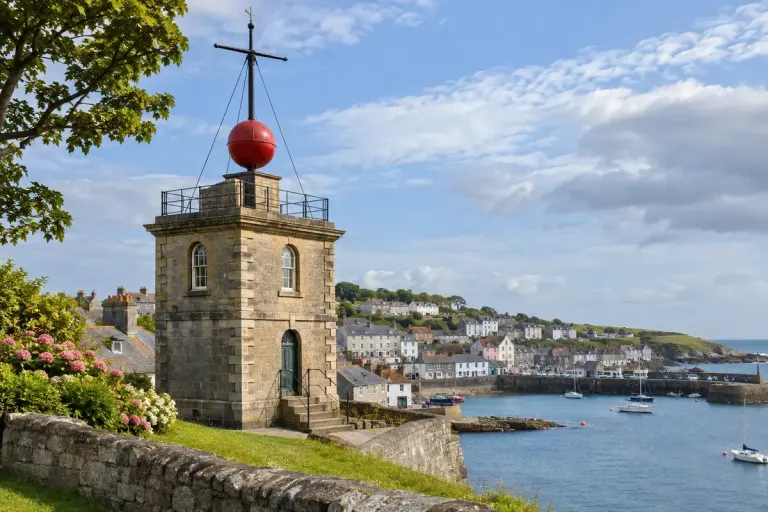
A harbour time ball once made a distant clock visible
A time ball turned a distant observatory clock into a visible public signal. Learn what its movement meant and how to investigate a local example.

A closer look at the places we share.
A time ball turned a distant observatory clock into a visible public signal. Learn what its movement meant and how to investigate a local example.
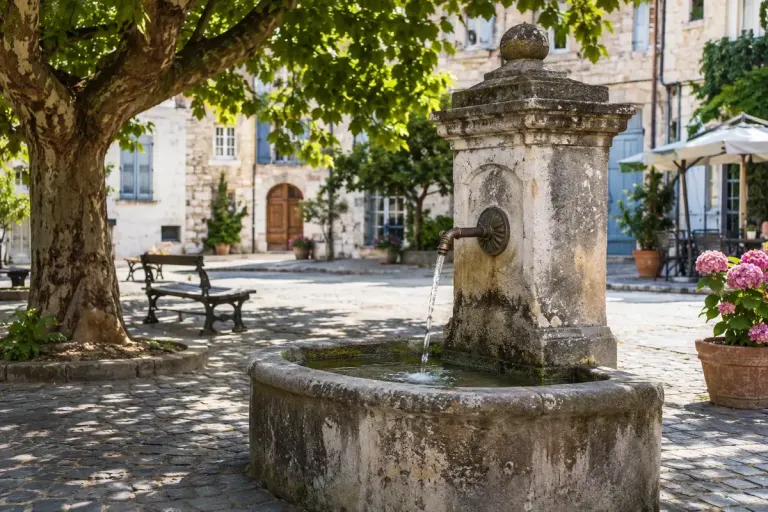
Read an old drinking fountain through its inscription, placement and surviving fittings, while separating historical evidence from assumptions about present-day water safety.
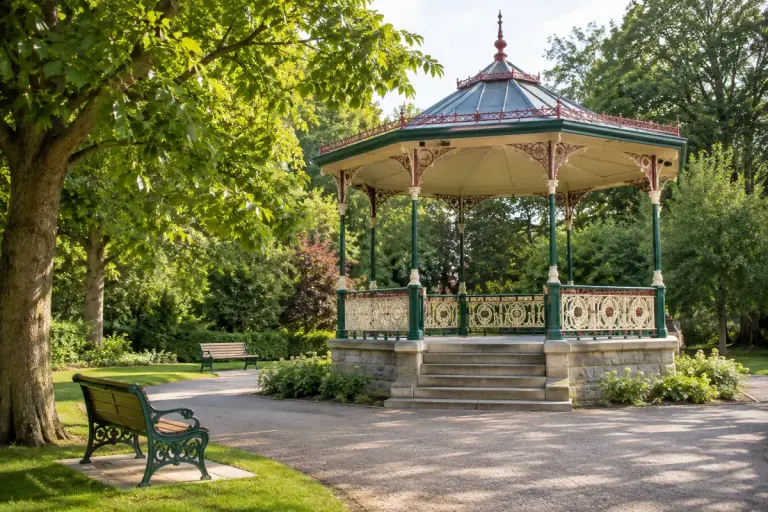
A park bandstand connects architecture, music and public life. Use its position, old programmes and local records to ask better questions about its history.
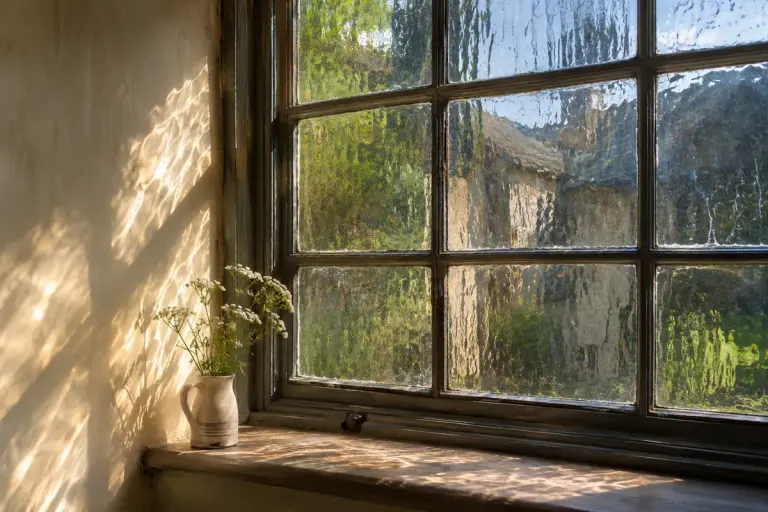
Ripples and small irregularities can reveal something about historic window glass, but they cannot date a building by themselves.
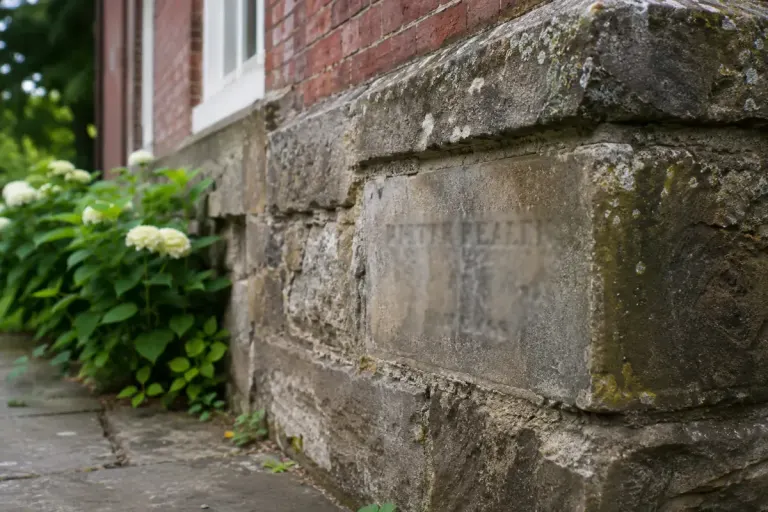
A date carved into a cornerstone may mark a ceremony rather than completion. Build a clearer local history by comparing inscriptions with records.
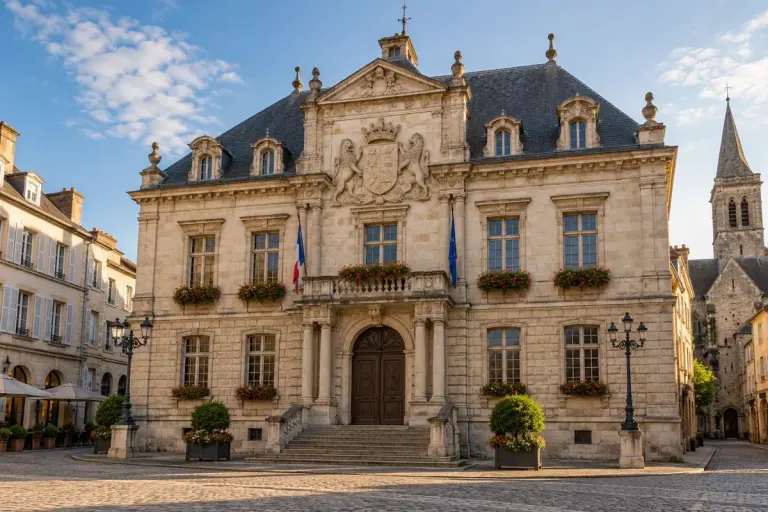
Read a civic coat of arms through its official blazon and history, while distinguishing the grant, later artwork and souvenir versions.