
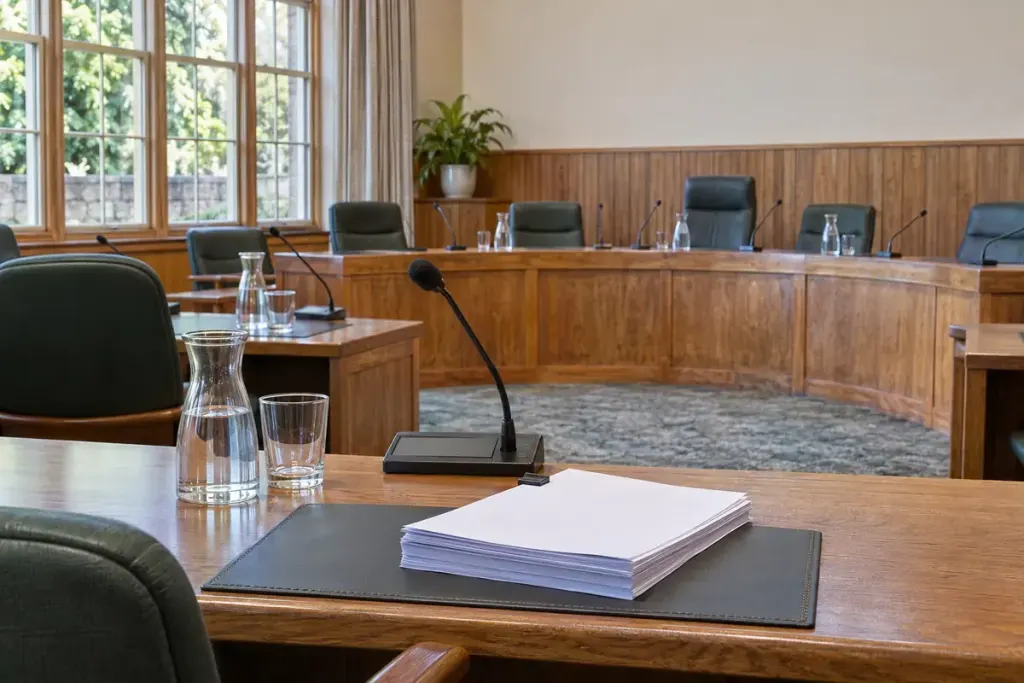
The chair announces one agenda item, a motion passes, and several decisions have been approved together. If you follow only the spoken titles, a consent agenda can make a public meeting seem to move faster than the paperwork explains.
MRSC’s guide to city council agendas describes consent agendas in Washington State as a way to group routine, non-controversial matters. It also explains that an item can be removed for separate consideration under the applicable procedure. This is a jurisdiction-specific example, not a rule for every council worldwide.
Open the supporting packet
Find the list of items inside the consent section, then open the attachments that concern you. A short title may point to minutes, an expenditure, an agreement or another administrative action. The supporting document is where the actual proposal is usually explained.
Record the item number and meeting date. If the agenda is revised, keep the version you used and check what changed. A remembered title is less reliable than a traceable reference when you later ask about the outcome.
Check how separate consideration works
Local rules determine who can request removal, when that request must be made and how public comment fits into the meeting. Do not assume that an audience member can interrupt at any moment. The clerk’s office or published procedure should explain the route.
Removal does not necessarily mean rejection. It can simply mean that the council will discuss or vote on that item separately. Conversely, approval of the remaining consent agenda does not tell you the outcome of the removed item.
After the meeting, follow both paths in the minutes or recording. Note which items stayed in the grouped motion and what happened to anything taken out. If the record is unclear, ask a precise question using the item number.
This reading habit avoids two mistakes: treating routine business as unimportant, and treating the absence of a long debate as proof that nobody reviewed the material. The evidence is in the agenda, supporting papers and recorded action together.