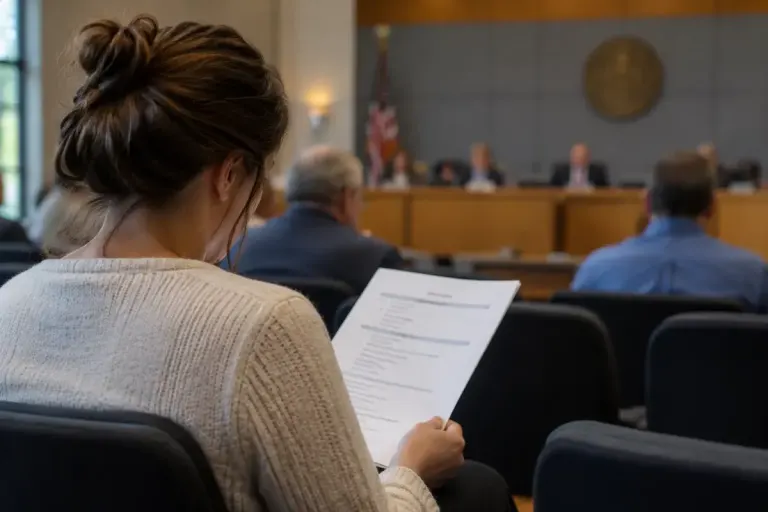
Following Public Meetings
An Agenda Item Can Be Deferred Without Being Rejected
Distinguish a deferred agenda item from a rejected proposal, and use minutes, motion wording and the next agenda to report what a meeting actually decided.

A closer look at the places we share.
Distinguish a deferred agenda item from a rejected proposal, and use minutes, motion wording and the next agenda to report what a meeting actually decided.

Find the current public-service form, check its revision details and confirm the submission route before copying information into an old saved version.
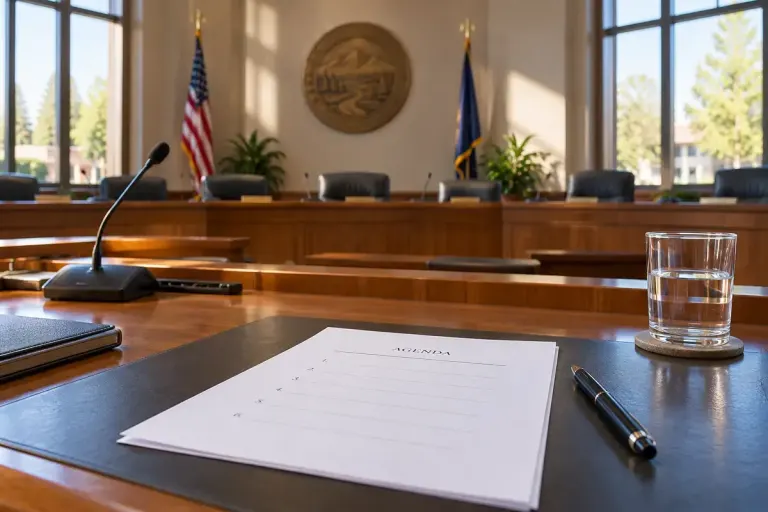
Keep abstention, absence and a vote against separate when reading a public body’s voting record.

Make a local venue easier to find by describing its public entrance, approach and opening arrangements alongside the street address.

Build a local walking-tour script that distinguishes documented history, attributed memories and uncertain stories while keeping the route enjoyable.

Read a library reservation status correctly, check the collection branch and deadline, and avoid travelling before the ready notice arrives.

Town twinning usually describes a relationship between communities. Read the agreement and current activities before assuming it changes local government.

Explore cemetery inscriptions and symbols with careful notes, local records and respect for the people whose histories you are reading.

A public artwork’s plaque can name an artist, donor, commissioner or restorer. Keep those roles separate when sharing its history.