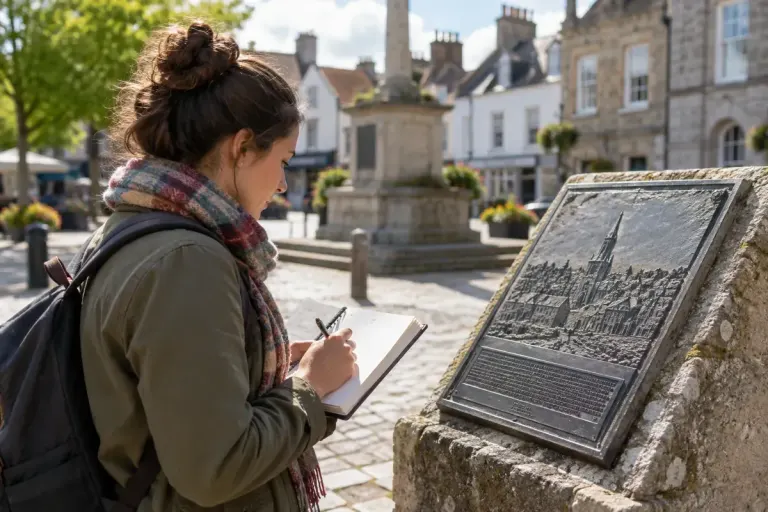
Local History
Look Beyond the Words on a Local History Plaque
Read a local history plaque as a source with an author, date and purpose, then use its details to guide a more careful investigation.

A closer look at the places we share.
Read a local history plaque as a source with an author, date and purpose, then use its details to guide a more careful investigation.
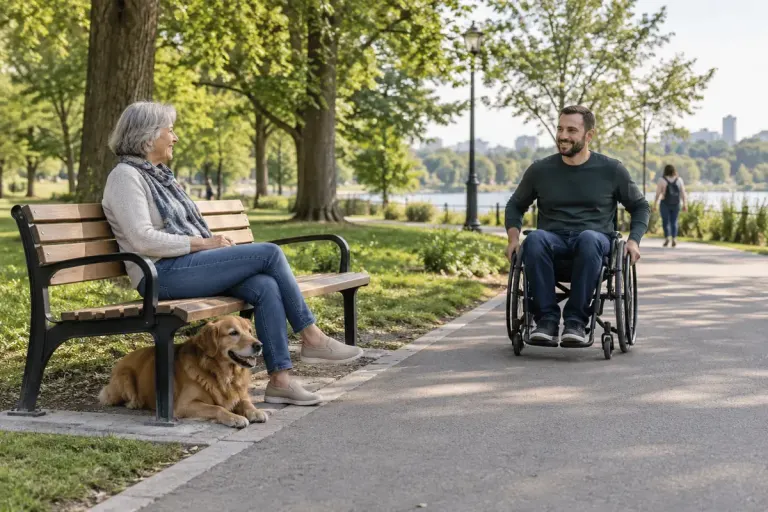
Observe the route, surface and surroundings of a public bench before describing it as a useful resting place for the neighbourhood.
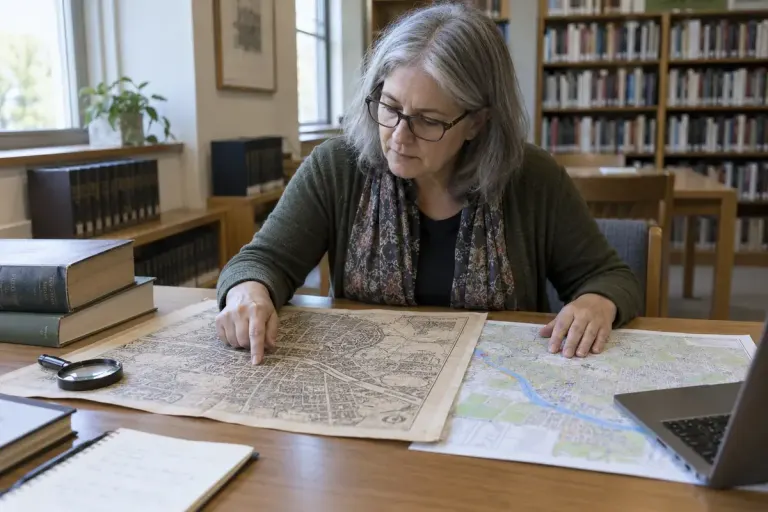
Historic street names can unlock local records, but a name needs a date and a reliable map reference before it identifies a present-day location.

A useful public toilet listing explains access, opening hours and practical facilities without making assumptions from a map pin.

Use a market visit to learn about local food, trading routines and neighbourhood life while respecting the people doing their daily work.

Check access, membership, services and booking requirements before a library visit so the opening hours are not the only detail you know.
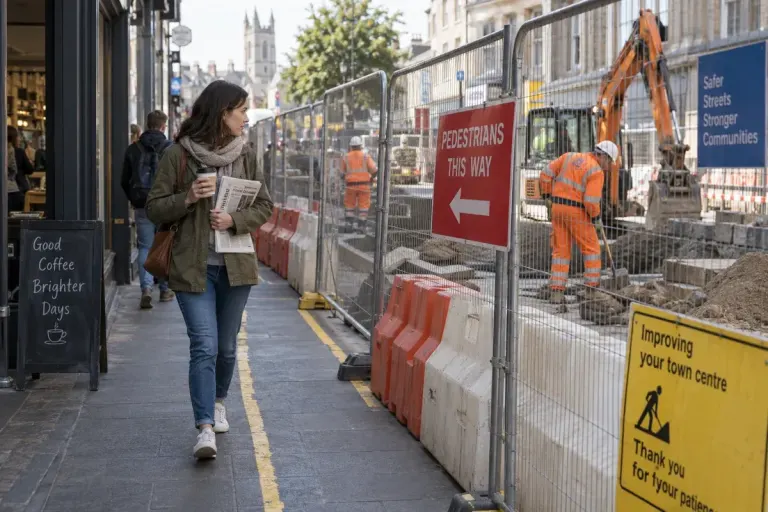
Read roadworks notices with everyday access in mind, from pedestrian routes and deliveries to bus stops and changing dates.
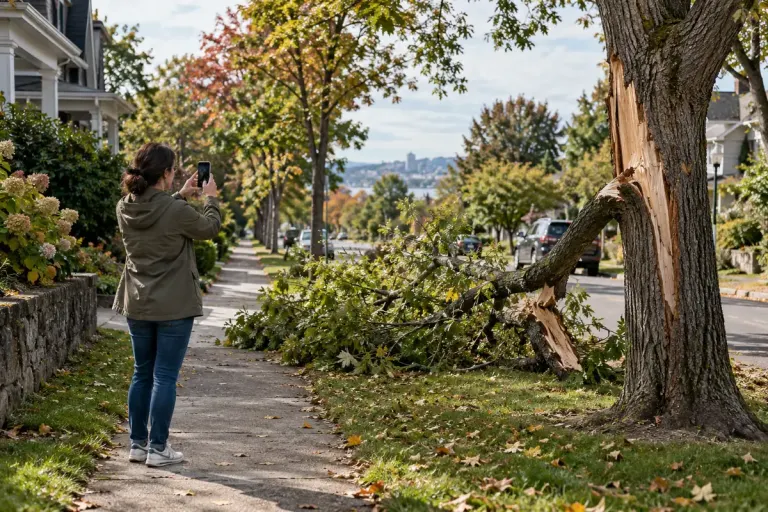
Report a street-tree concern with a useful location and observable facts, while distinguishing routine maintenance from an immediate hazard.
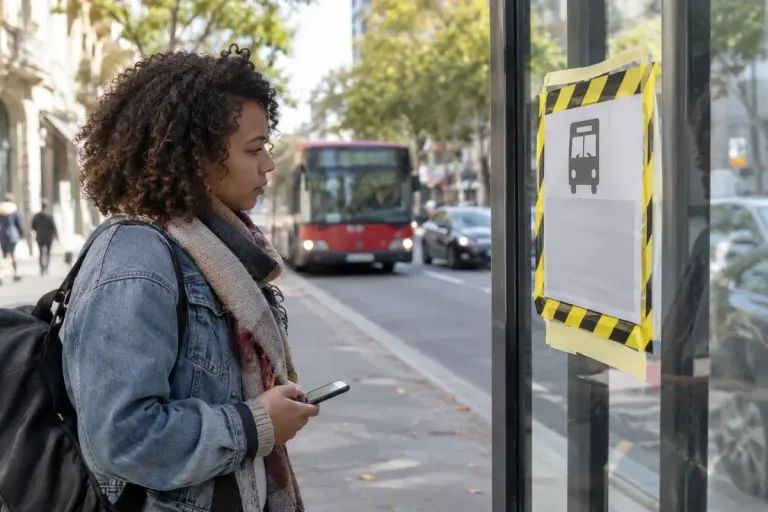
Before forwarding a bus-stop closure or local service notice, verify its date, exact location and official source, then share the information people need to act.