Local Heritage
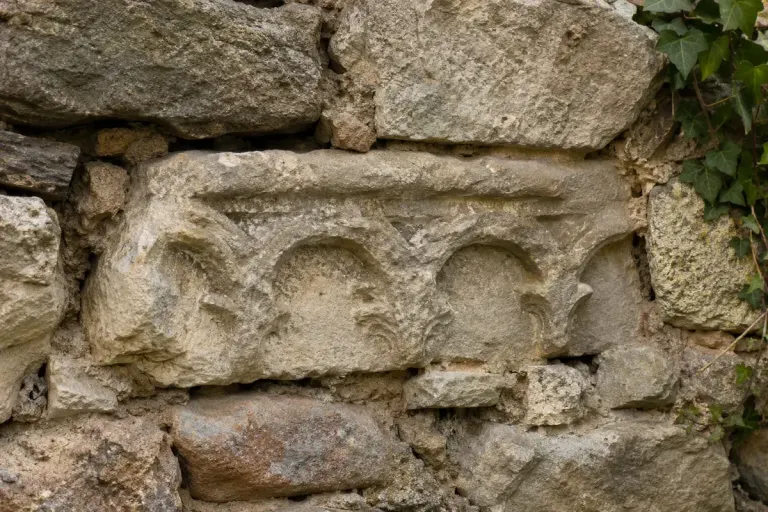
Reused building stone can tell a different story from the surrounding wall
A carved stone in an unexpected place may be reused material. Learn what to observe before turning an architectural detail into a historical claim.

A closer look at the places we share.
A carved stone in an unexpected place may be reused material. Learn what to observe before turning an architectural detail into a historical claim.
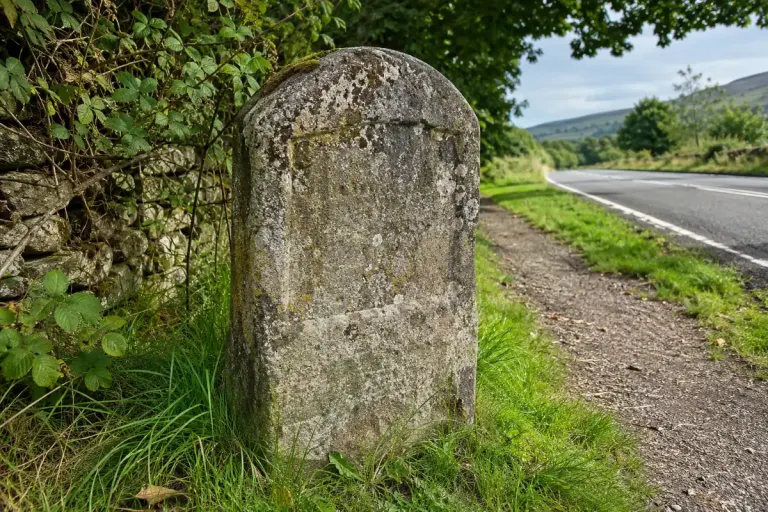
Read a historic milestone as a distance from a named destination, then check its location and history before using it as evidence.
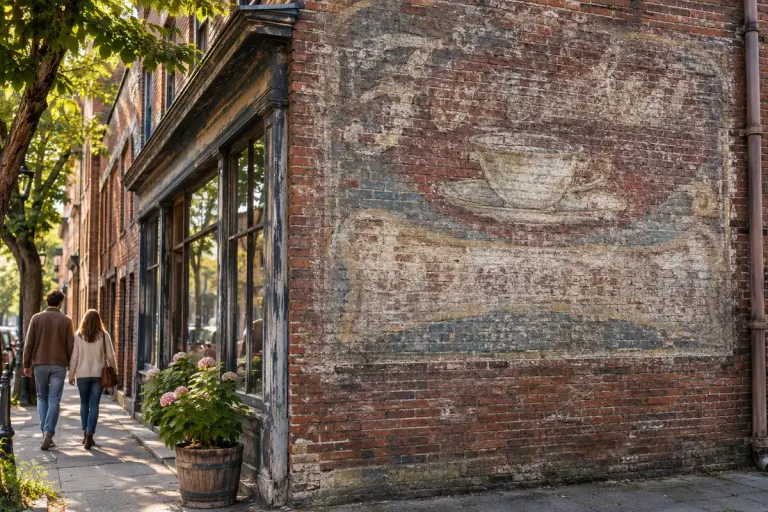
Faded painted advertisements can reveal earlier uses of a street. Record what you can actually read before guessing a building’s past.
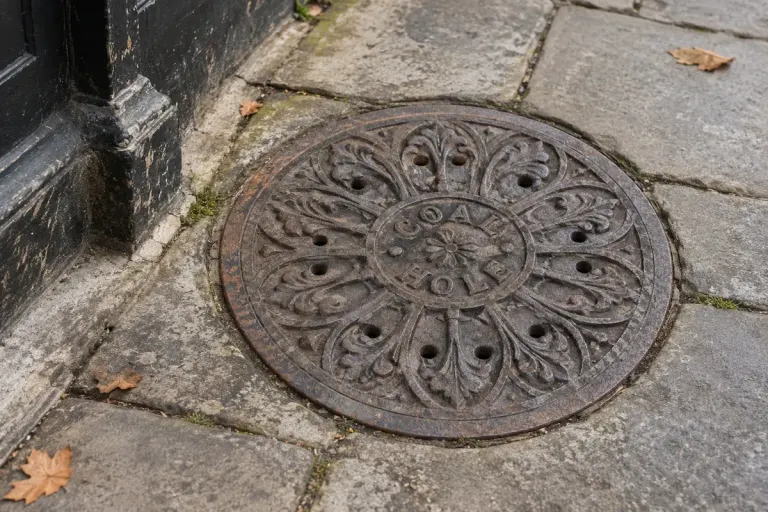
Coal-hole covers record an older delivery route beneath the pavement. Learn what their patterns and inscriptions can reveal without disturbing them.
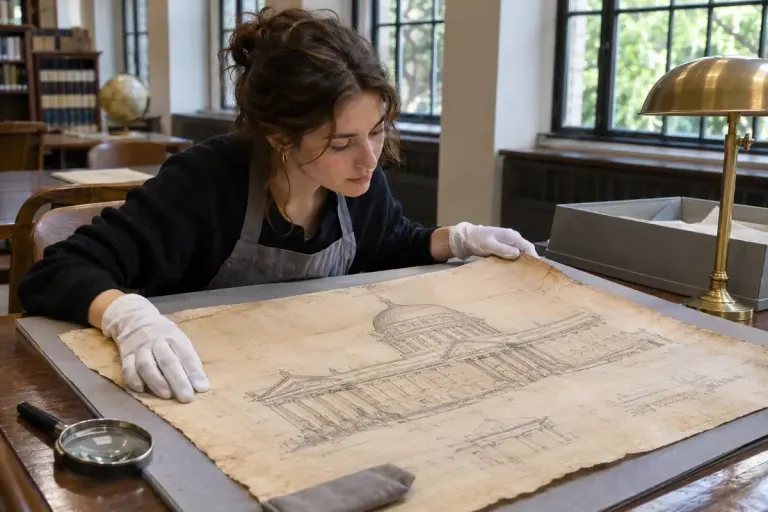
A historic architectural drawing may show a proposal rather than a completed building. Check its purpose, revisions and supporting evidence before writing a local history.

Use England’s heritage system as an example of why protecting an individual building differs from protecting a wider historic area.
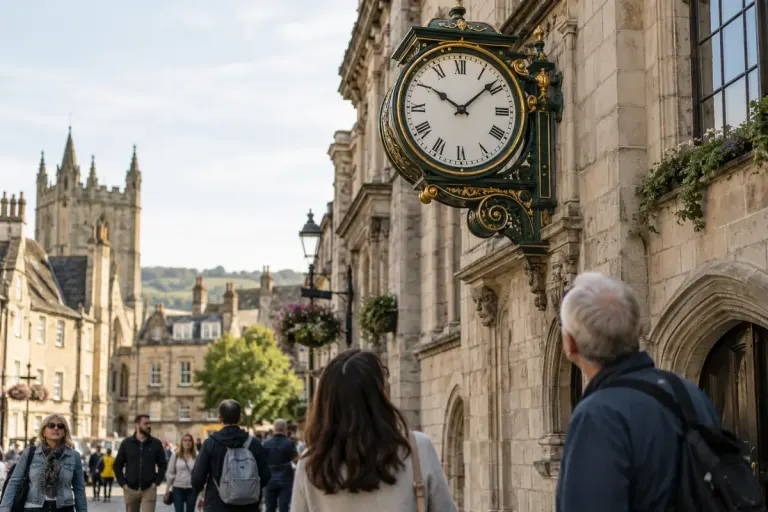
Read a town clock’s restoration plaque alongside photographs and local records to separate the mechanism’s history from later repairs.
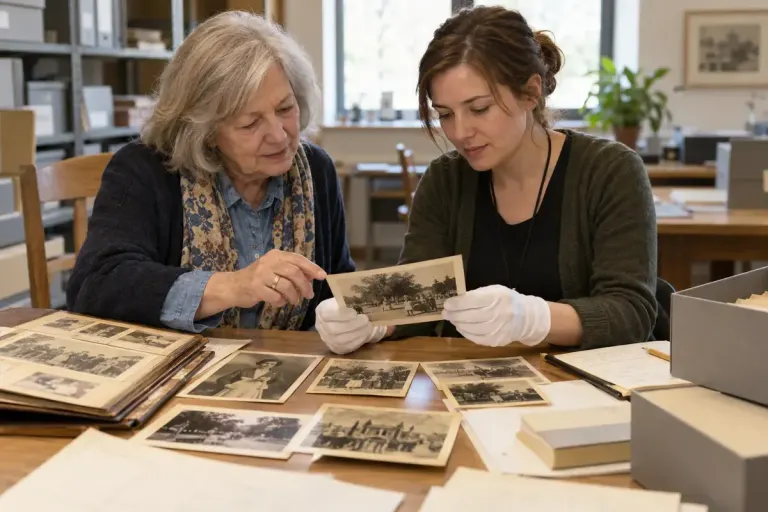
A family photograph becomes more useful to an archive when names, dates, permissions and the story behind it travel with the image.

Build a local walking-tour script that distinguishes documented history, attributed memories and uncertain stories while keeping the route enjoyable.