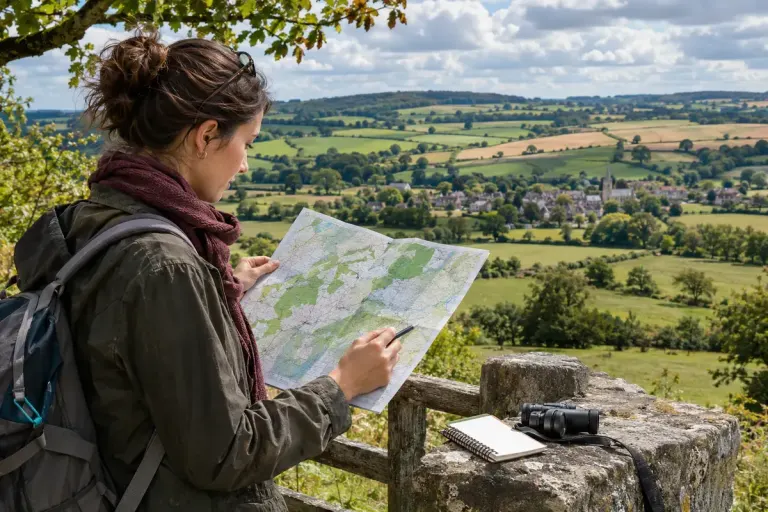
Understanding Places
A landscape character assessment describes what gives a place its pattern
Landscape character assessment explains the patterns that make a place distinctive. Learn what its maps can tell residents and what they do not decide.

A closer look at the places we share.
Landscape character assessment explains the patterns that make a place distinctive. Learn what its maps can tell residents and what they do not decide.

A library makerspace may require an induction before you book equipment. Find out what training covers and how to arrive with a realistic first project.
A renamed street affects addresses, records and everyday services. Find the official effective date and notification arrangements before relying on a new sign or map label.
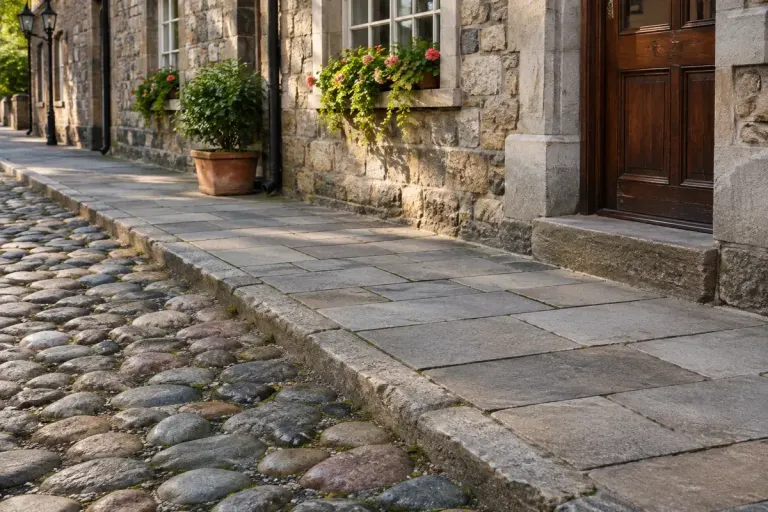
Rounded cobbles and shaped stone setts are often given the same name. Learn what to observe on a heritage walk and why a surface alone cannot date a street.
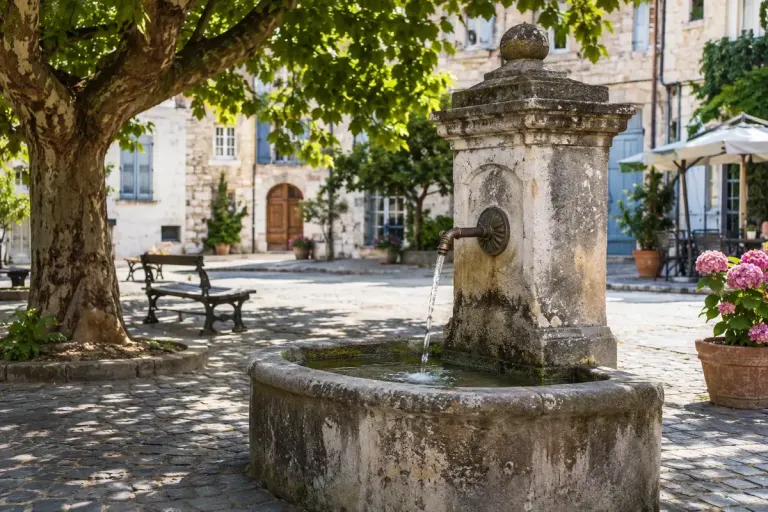
Read an old drinking fountain through its inscription, placement and surviving fittings, while separating historical evidence from assumptions about present-day water safety.
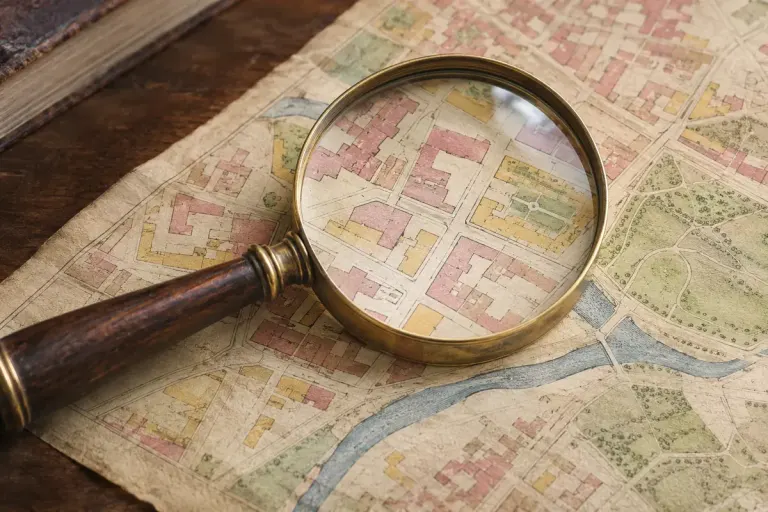
Historic fire-insurance maps can reveal building materials and uses. Read their keys, dates and revision history before treating a coloured footprint as fact.
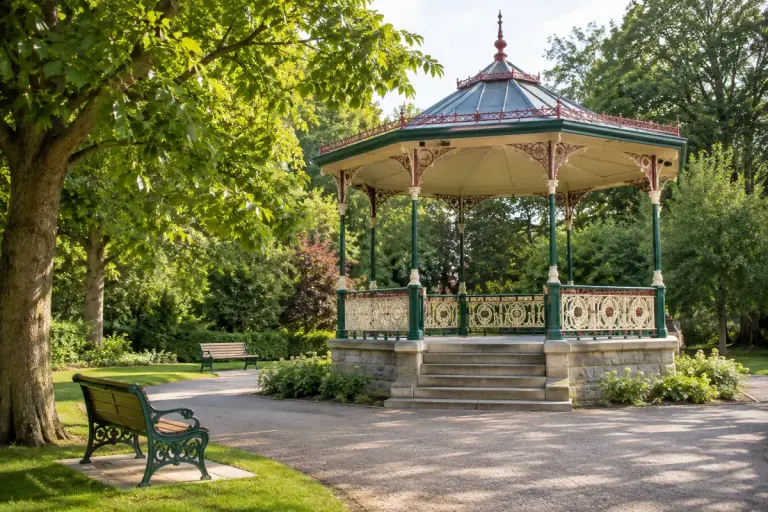
A park bandstand connects architecture, music and public life. Use its position, old programmes and local records to ask better questions about its history.
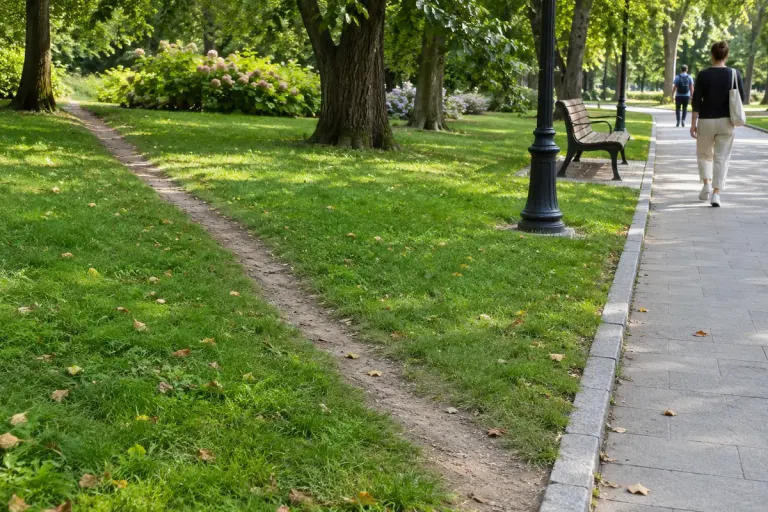
A worn shortcut can reveal how people move through a place. Learn what a desire line suggests and which questions still need observation and local records.

A gazetteer links place names with identifying information. Use it to investigate spelling changes and repeated names without losing the historical context.