Useful Local Information
Reading a Street Address Is Not Always Enough to Find the Entrance
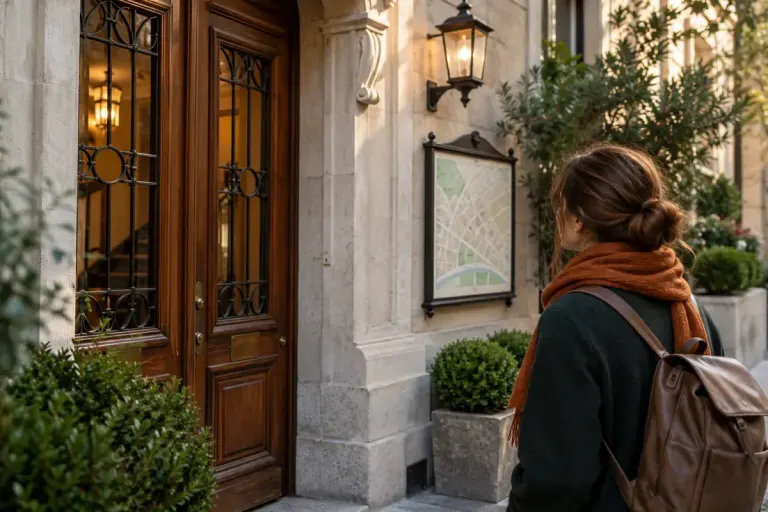
Make a local venue easier to find by describing its public entrance, approach and opening arrangements alongside the street address.

A closer look at the places we share.
Make a local venue easier to find by describing its public entrance, approach and opening arrangements alongside the street address.
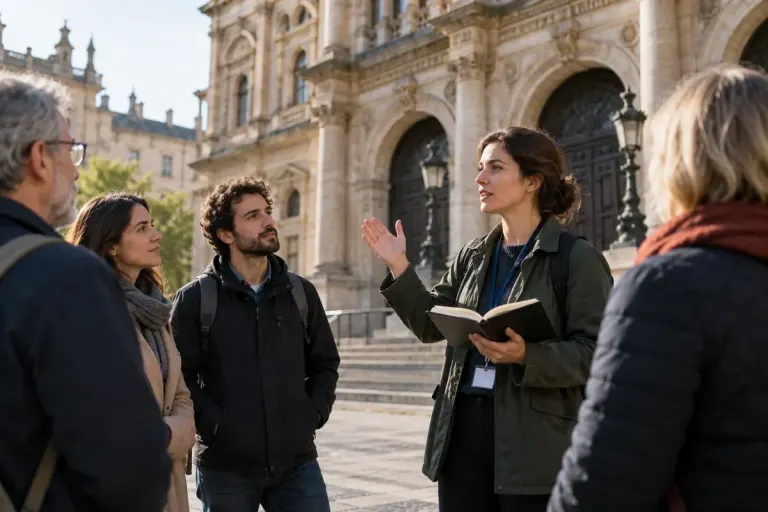
Build a local walking-tour script that distinguishes documented history, attributed memories and uncertain stories while keeping the route enjoyable.
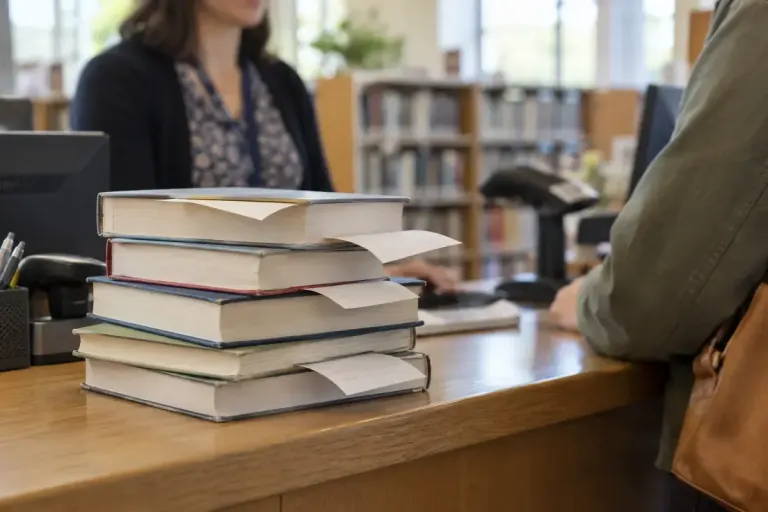
Read a library reservation status correctly, check the collection branch and deadline, and avoid travelling before the ready notice arrives.
Town twinning usually describes a relationship between communities. Read the agreement and current activities before assuming it changes local government.
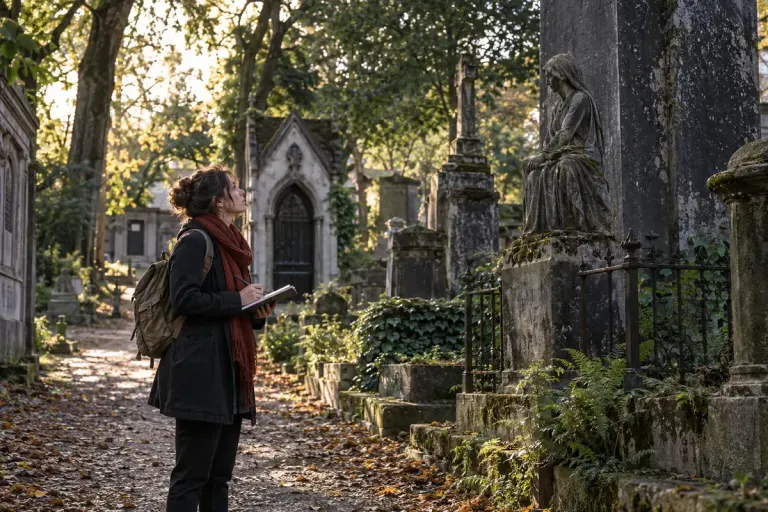
Explore cemetery inscriptions and symbols with careful notes, local records and respect for the people whose histories you are reading.
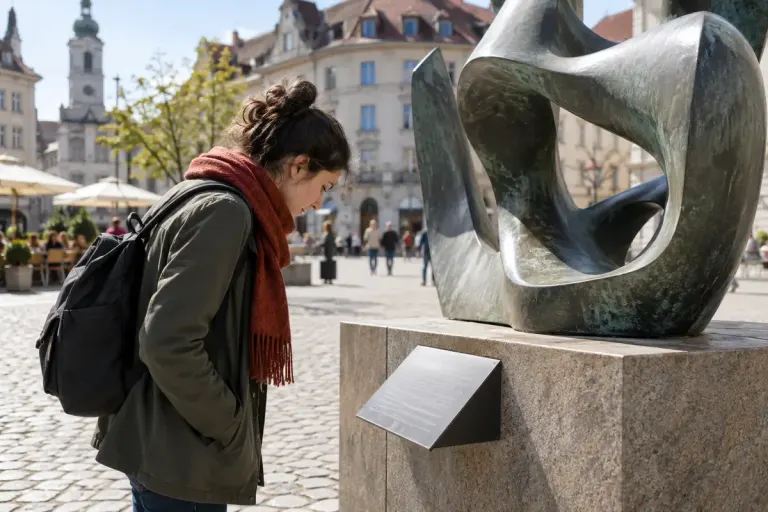
A public artwork’s plaque can name an artist, donor, commissioner or restorer. Keep those roles separate when sharing its history.
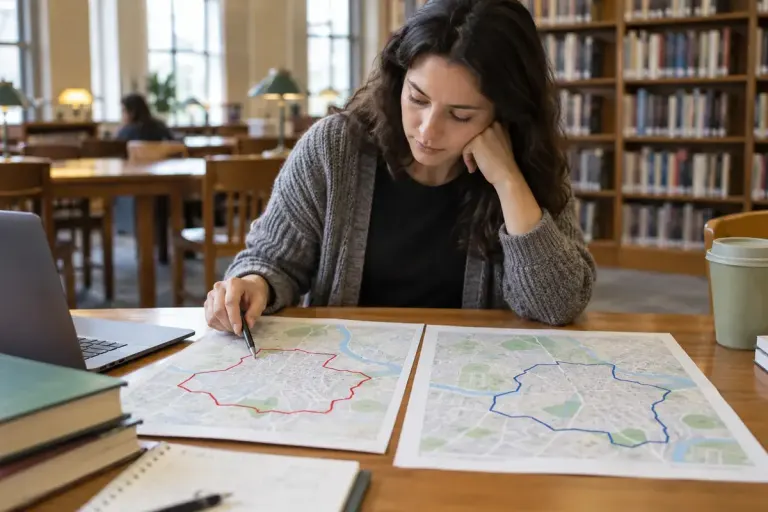
Check area definitions, dates and population measures before comparing neighbourhood statistics or claiming that one place has changed faster than another.
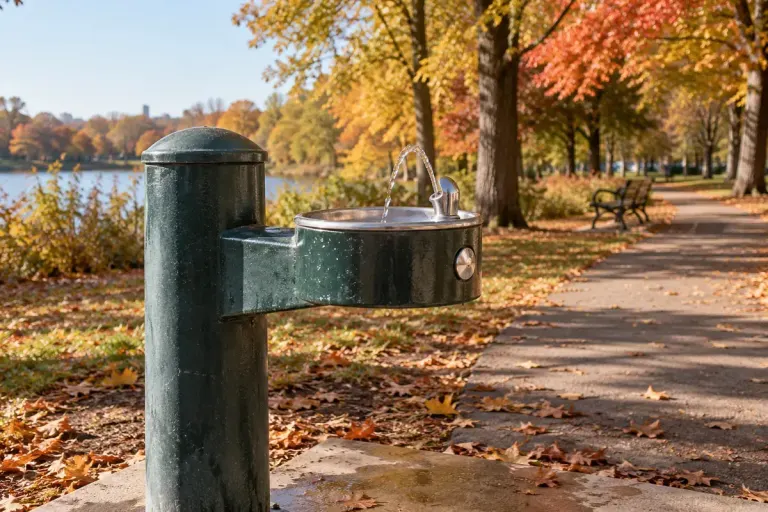
Check whether a mapped drinking fountain is currently usable, record the date and distinguish a water point from a verified drinking-water supply.
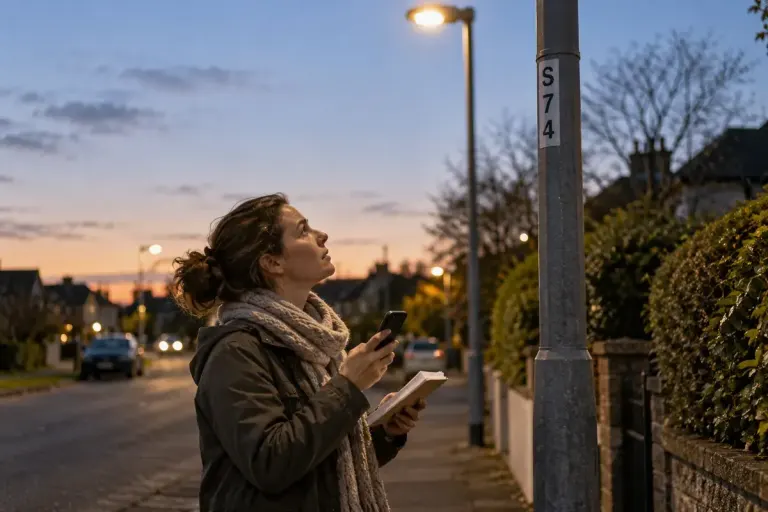
Report a faulty street light with a safe location description, useful timing details and the correct local channel, without approaching damaged equipment.