Local Heritage
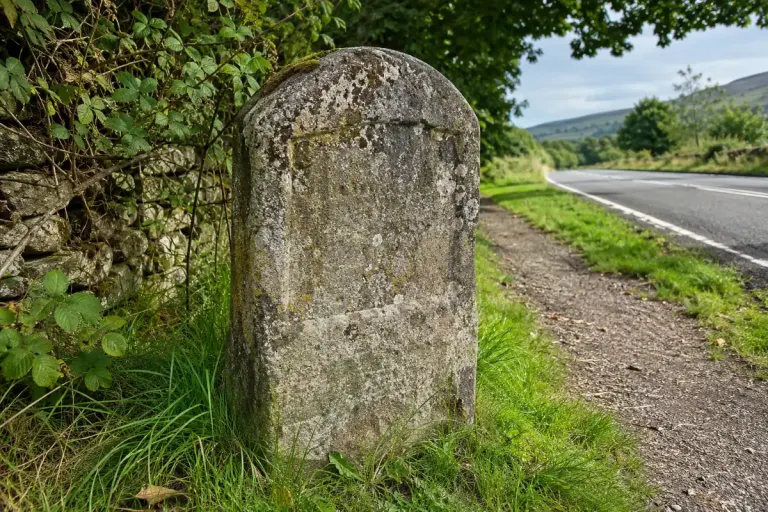
A roadside milestone measures a journey from a particular starting point
Read a historic milestone as a distance from a named destination, then check its location and history before using it as evidence.

A closer look at the places we share.
Read a historic milestone as a distance from a named destination, then check its location and history before using it as evidence.
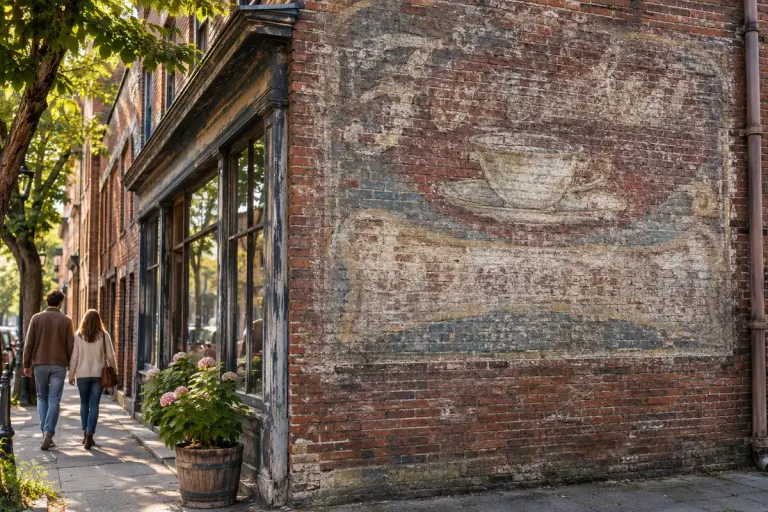
Faded painted advertisements can reveal earlier uses of a street. Record what you can actually read before guessing a building’s past.
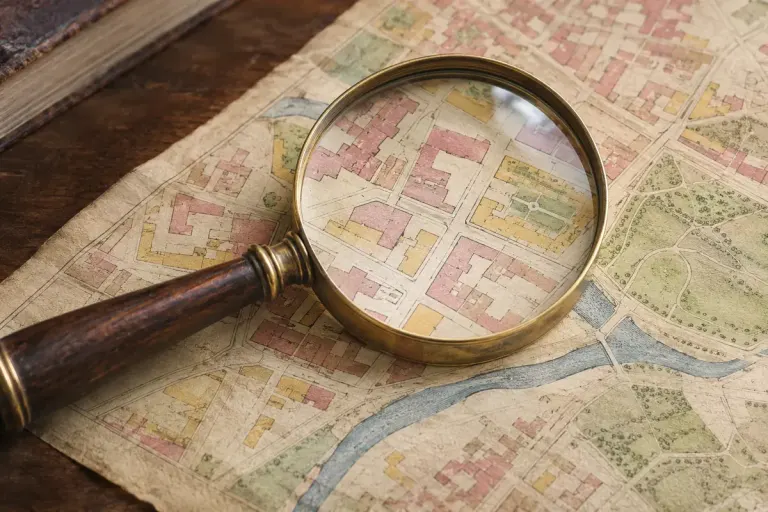
Historic fire-insurance maps can reveal building materials and uses. Read their keys, dates and revision history before treating a coloured footprint as fact.
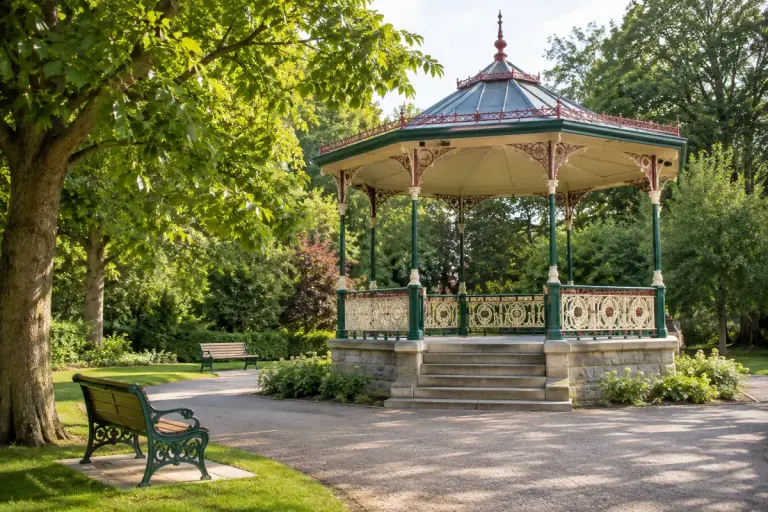
A park bandstand connects architecture, music and public life. Use its position, old programmes and local records to ask better questions about its history.
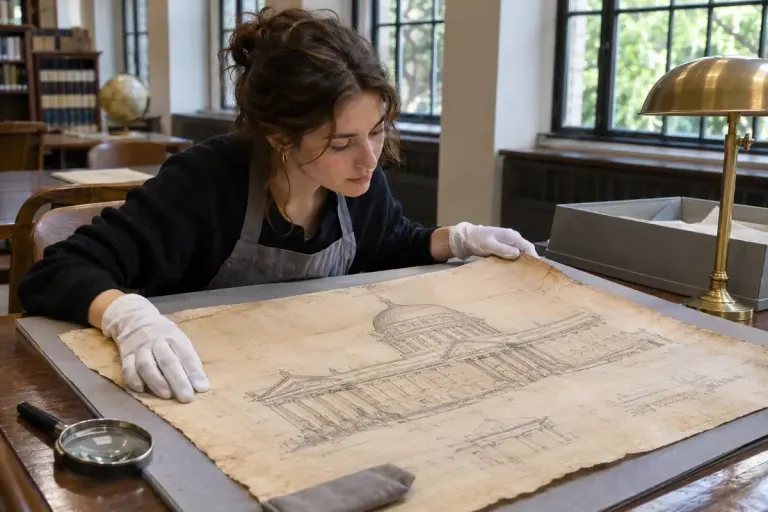
A historic architectural drawing may show a proposal rather than a completed building. Check its purpose, revisions and supporting evidence before writing a local history.
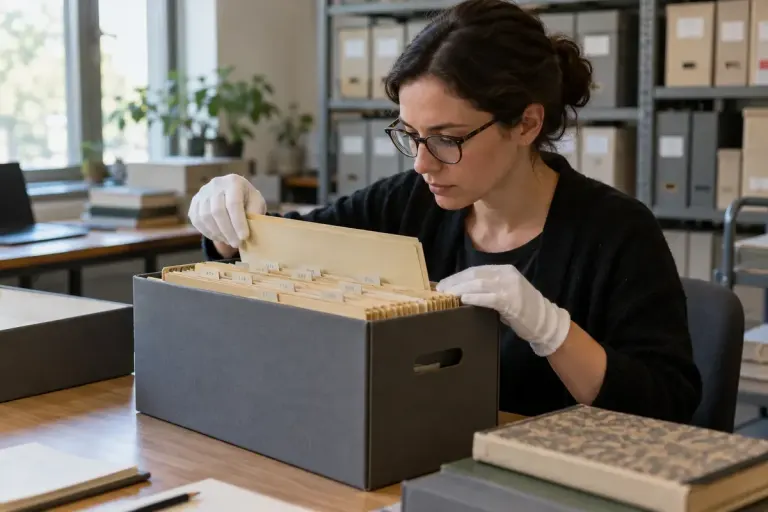
Original order preserves how a creator arranged records. Learn what that can reveal and how to take research notes without rearranging an archive.
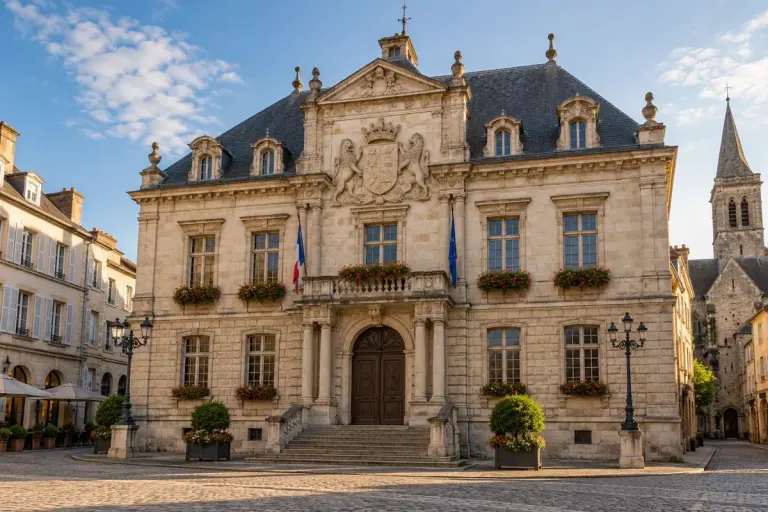
Read a civic coat of arms through its official blazon and history, while distinguishing the grant, later artwork and souvenir versions.
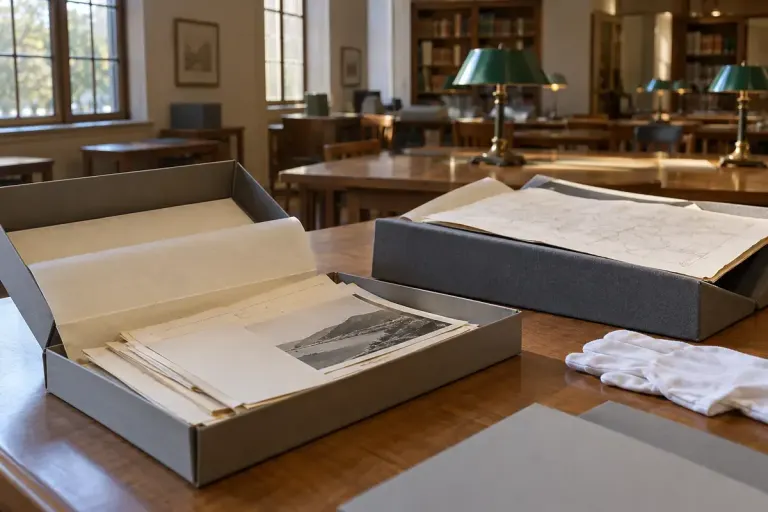
Keep the archive, full reference code and page or item details with local-history notes so another reader can find the evidence behind a claim.
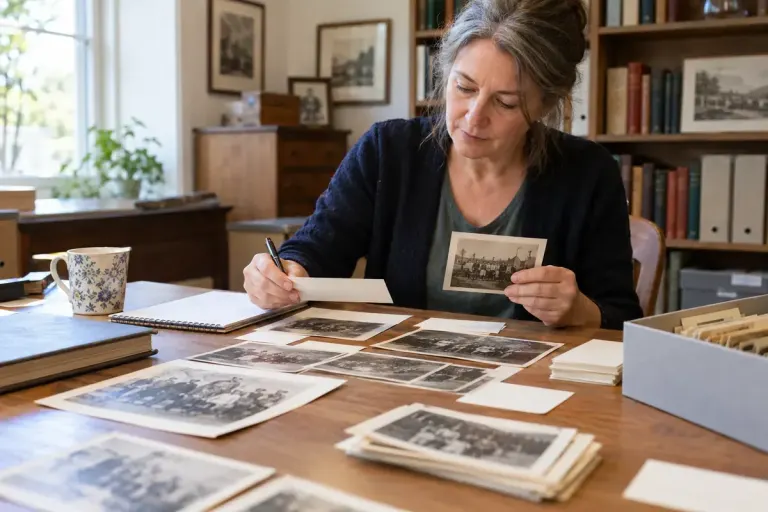
Create clearer local-history photo captions by recording the photographer, pictured people and source as separate pieces of information.